
Scandinavian Ceiling Lamps

Pendant
Show All

Table
Show All

Floor
Show All

Wall
Show All

Ceiling
Show All


Our featured products from Scandinavian Ceiling Lamps
- -45%
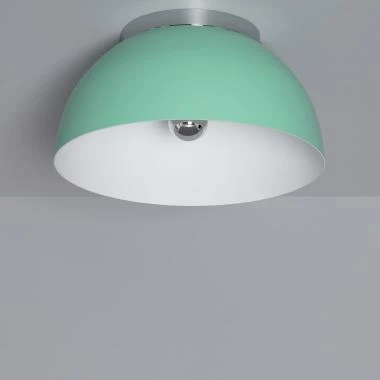
Before 34,75 €
18,95 €
Ref 95841
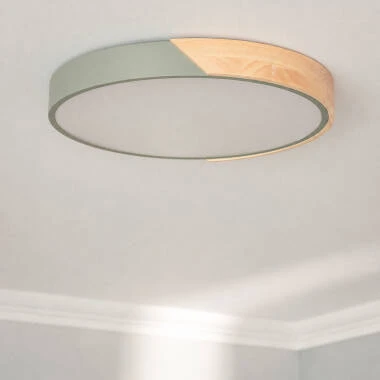
BlackWeeksBosco Silver Aluminium Ceiling Lamp Ø305
Celadon Green
In Stock, delivery in 16-21 days
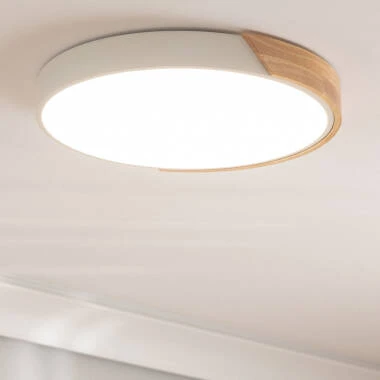

37,99 €
 (12)
DariRef 71581
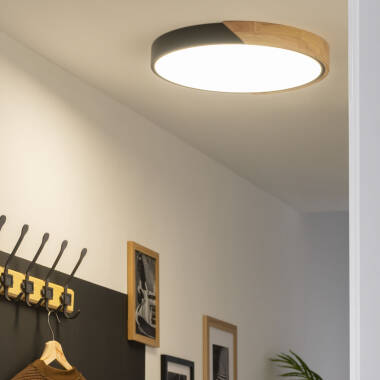
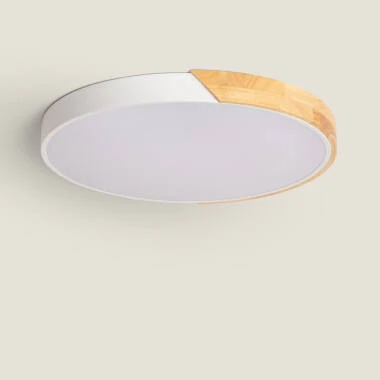
Semi-Dari Round 24W Wood & Aluminium CCT Selectable LED Ceiling Light Ø418 mm
White
In Stock, delivery in 15-20 days
- -18%
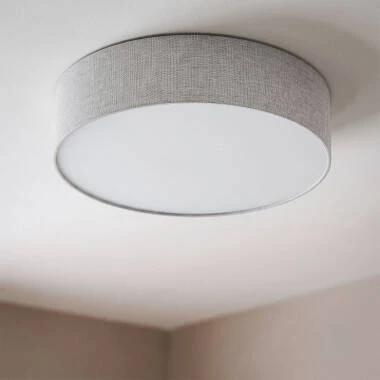
Before 38,01 €
30,99 €
- -16%
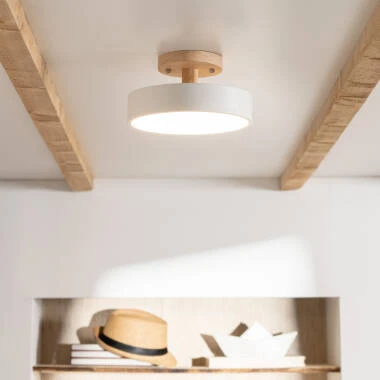
Before 24,96 €
20,99 €
Ref 77635
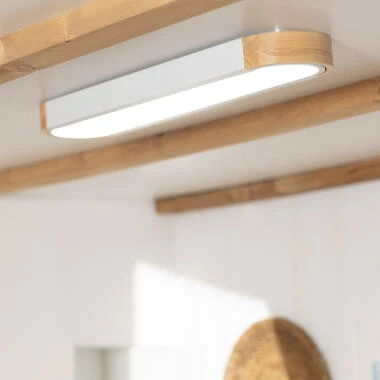
BlackWeeks12W Whisty Wood & Aluminium Selectable CCT LED Ceiling Lamp
White
In Stock, delivery in 15-20 days











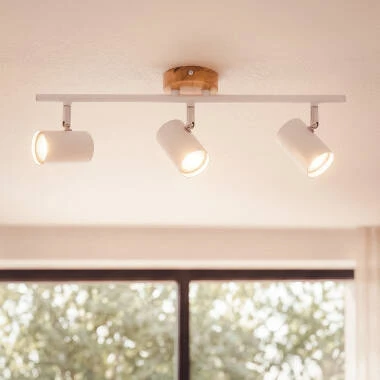
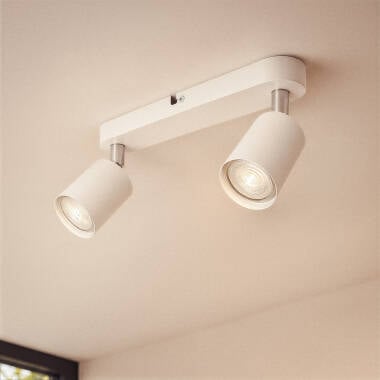
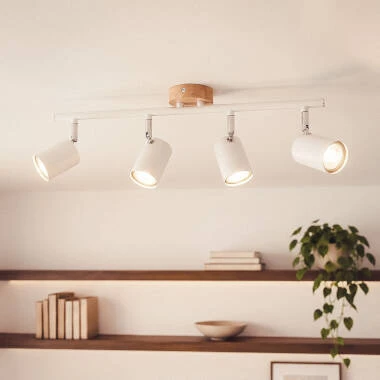

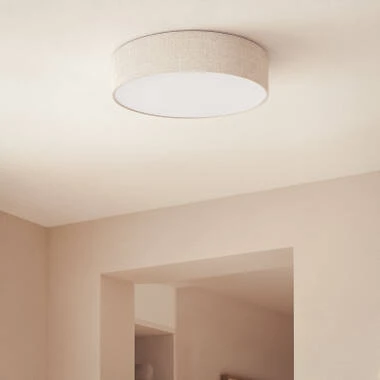
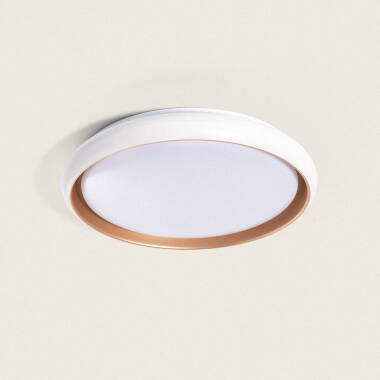

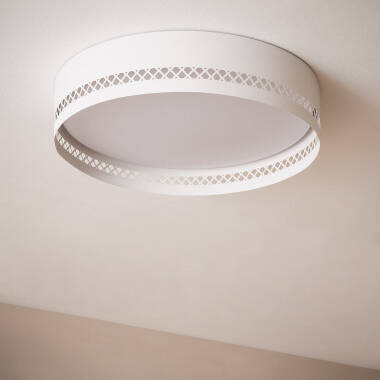
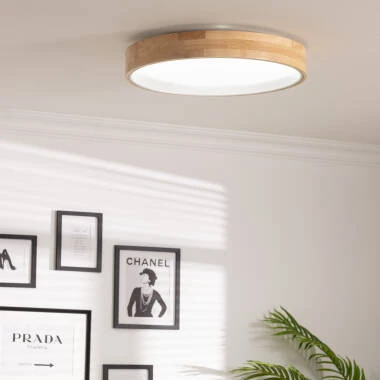
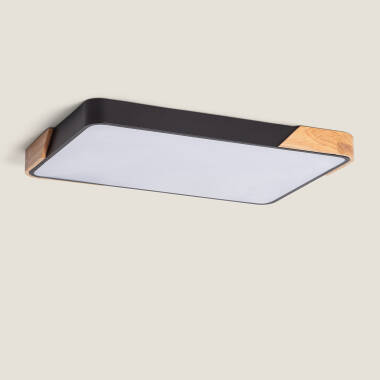
You may also be interested in
About Scandinavian Ceiling Lamps
Scandinavian lamps are inspired by Nordic design, characterised by simplicity, effective use of light and natural materials. Among ceiling lamps, they stand out for their clean lines, soft shapes and finishes that blend easily with different interior styles. They are commonly used in living rooms, dining rooms, bedrooms and kitchens where comfortable lighting is desired without visually overwhelming the space.
Features of Scandinavian-Style Ceiling Lamps
Scandinavian style aims to create functional, bright and welcoming interiors through designs that combine aesthetics and practicality. Ceiling lamps follow this philosophy by avoiding excessive ornamentation and placing greater emphasis on proportions, materials and light quality.
Simple Designs and Balanced Shapes
Scandinavian lamps typically feature rounded shapes, conical shades, simple geometric structures and soft lines.
This type of design allows them to fit into different spaces without visually competing with the furniture. Compact models are suitable for bedrooms and small rooms, while larger-diameter shades can become a decorative feature above dining tables.
A common feature is the combination of opaque surfaces with openings that direct light downwards. This distribution illuminates specific areas and creates a welcoming atmosphere, although additional light sources may be needed to cover the entire room.
Light Colours and Natural Materials
White, beige, soft grey and pastel shades are common in Scandinavian-style lighting. These colours work well with light-coloured walls, natural textiles and wooden furniture.
White ceiling lamps are particularly representative of this style, as they maintain a bright, understated appearance. White finishes can also improve light reflection when used on the inside of shades.
Light wood, painted metal and textile materials complete this combination. They add texture and warmth without the need for complex structures.
Natural Materials in Scandinavian Ceiling Lamps
Materials play an important role in Scandinavian design, as they add texture and warmth to interiors dominated by light colours. Natural ceiling lamps incorporate plant fibres, fabrics and other organic-looking materials to create relaxing environments.
Scandinavian Wooden Lamps
Wooden ceiling lamps are common in Scandinavian interiors because they add warmth and can be combined with white or black metal to create contemporary designs without losing their natural aesthetic.
As wood is generally opaque, it affects how light is distributed. It is therefore worth checking the direction of the shade opening and the amount of light the fitting provides.
Fabric Shades and Natural Fibres
Fabric shades soften the lighting by filtering some of the luminous flux. They are particularly suitable for bedrooms and living rooms where comfortable ambient lighting is desired.
Natural fibres such as rattan or bamboo make it possible to create handcrafted-looking designs. When shades feature open weaving, they can cast decorative shadows on walls and ceilings.
This effect is attractive for ambient lighting, but it does not always provide the uniformity needed for activities such as reading or working.
Applications of Scandinavian Ceiling Lamps
The versatility of Scandinavian design allows these fittings to be used in different rooms, combining functional lighting with decorative appeal.
- Living rooms: Scandinavian lamps provide warm lighting and a subtle visual presence. Models with large shades can serve as a focal point, while multi-light structures provide better light distribution. For general lighting, levels of 150 to 300 lux can be considered.
- Dining rooms: pendant lamps with conical or rounded shades concentrate light over the table. Warm white light with a colour temperature of 2700 K to 3000 K is suitable for creating a comfortable atmosphere during meals and gatherings.
- Bedrooms: flush ceiling lamps and compact pendant models provide pleasant general lighting without overwhelming the space. Warm white light that can be dimmed where possible allows brightness to be adjusted for different times of day.
- Kitchens: Scandinavian lamps work well with white cabinets and wooden worktops. Pendant models can be used above breakfast bars or islands, while food preparation areas require more functional lighting, typically between 300 and 500 lux.
- Entrance halls and hallways: surface-mounted fittings with simple shapes help maintain a consistent decorative style and make movement easier. General lighting levels of 100 to 150 lux are usually sufficient for these spaces.
Frequently Asked Questions About Scandinavian Ceiling Lamps
The most common questions concern materials, the choice of lighting and how to incorporate these lamps into different spaces.
What Are the Characteristics of a Scandinavian Ceiling Lamp?
Scandinavian lamps are characterised by simple designs, balanced shapes, light colours and materials such as wood, metal or fabric. Their aesthetic combines functionality and warmth while avoiding overly elaborate decoration.
What Colour Temperature Is Best for a Scandinavian Lamp?
Warm white light between 2700 K and 3000 K is a common choice for living rooms, bedrooms and dining rooms. In kitchens or work areas, 4000 K can be used when more neutral lighting is needed.
Do Scandinavian Wooden Lamps Provide Enough Light?
The amount of light depends on the bulb or LED module and the design of the shade. Wood is usually opaque, so it can concentrate the light in a particular direction. For general lighting, it is important to consider luminous flux and light distribution.
Can Scandinavian Lamps Be Used in Small Spaces?
Yes. Compact models, flush ceiling lamps and surface-mounted lamps are suitable for small rooms or low ceilings. Light finishes and simple structures help prevent an overly dominant visual appearance.
Is a Scandinavian Fabric or Metal Lamp Better?
Fabric shades filter and soften the light, making them suitable for relaxation areas. Opaque metal shades allow the light to be directed more precisely towards tables or specific surfaces. The choice should take into account the desired lighting effect and the lighting requirements.
Can Scandinavian Ceiling Lamps Use LED Bulbs?
Yes. Many models use conventional bulb holders compatible with LED bulbs, while others have integrated LED modules. For models with replaceable bulbs, check the cap type, maximum permitted wattage and available space inside the shade.