
Vintage Ceiling Lamps

Pendant
Show All

Table
Show All

Floor
Show All

Wall
Show All

Ceiling
Show All


Our featured products from Vintage Ceiling Lamps
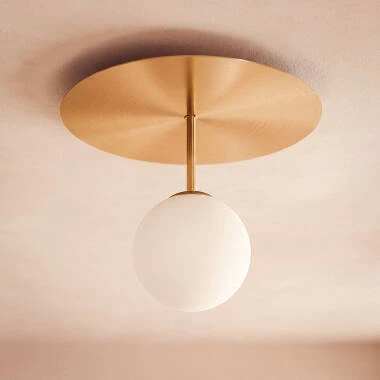
£32.99
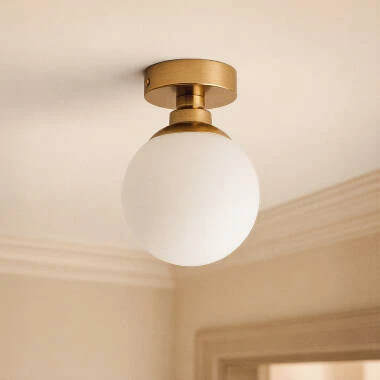
£14.79
MoonlightRef 104840
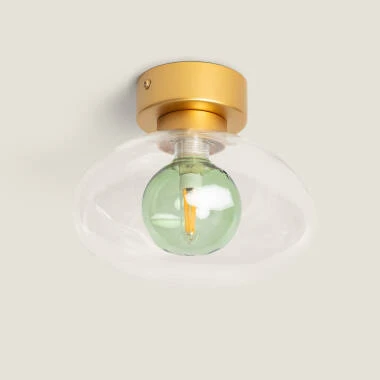
Moonlight 1 Spotlight Metal & Glass Ceiling Lamp
Gold
In Stock, delivery in 15-20 days
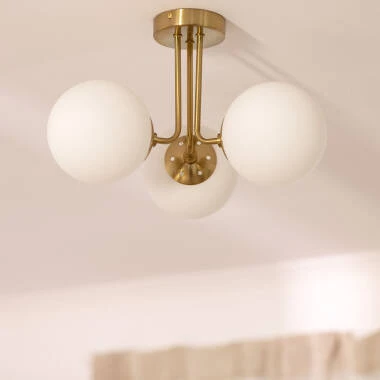
£55.99
 (3)
MoonlightRef 91656
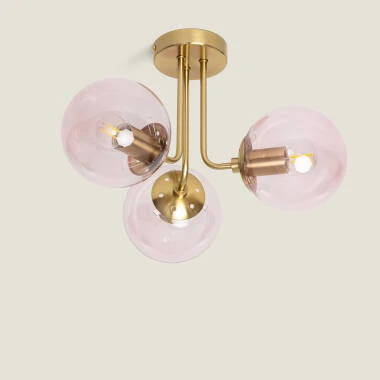
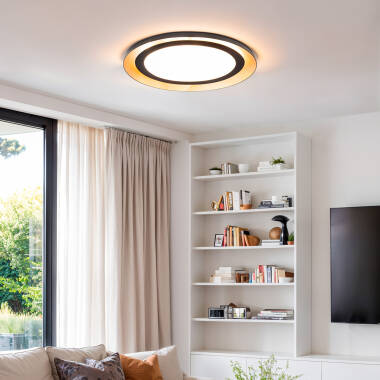
BlackWeeksMoonlight Bras Metal & Glass 3 Spot Ceiling Lamp
White
In Stock, delivery in 24/48h
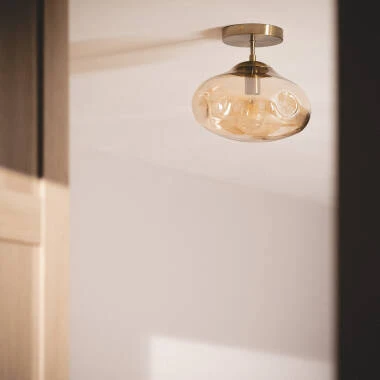











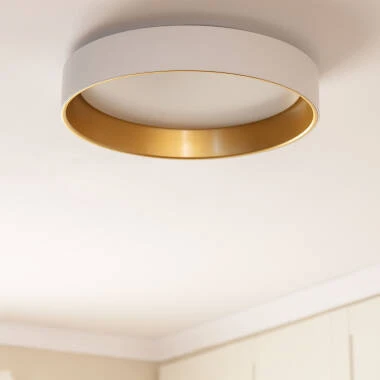
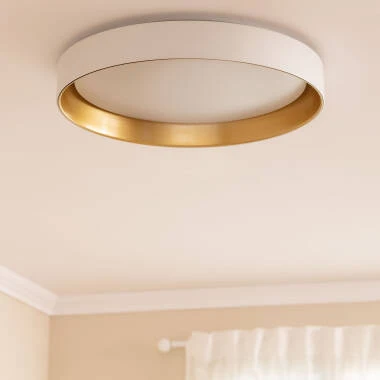
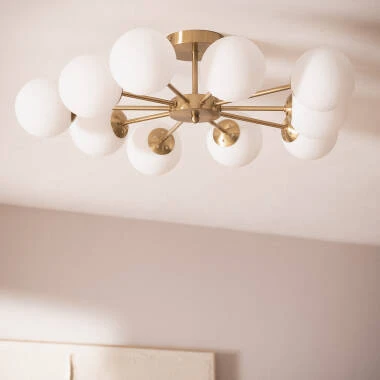
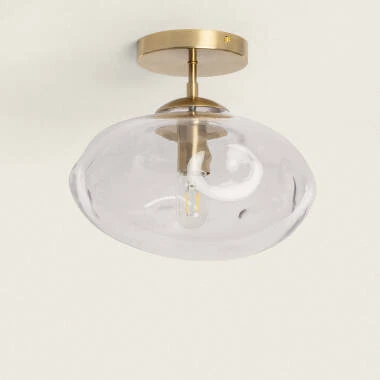

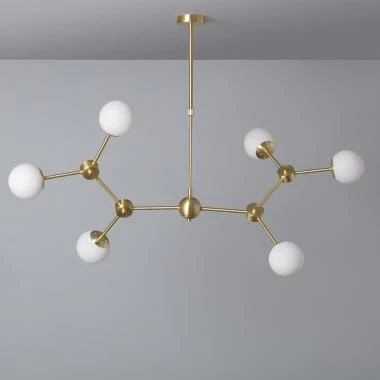
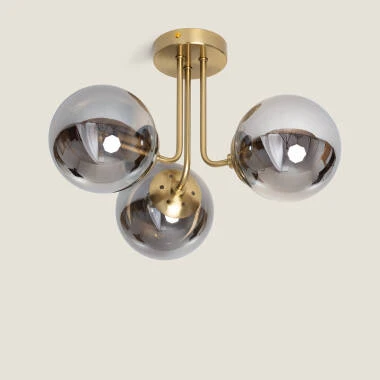
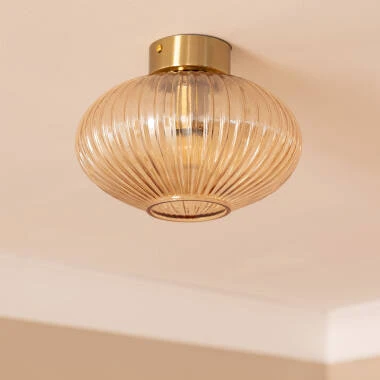
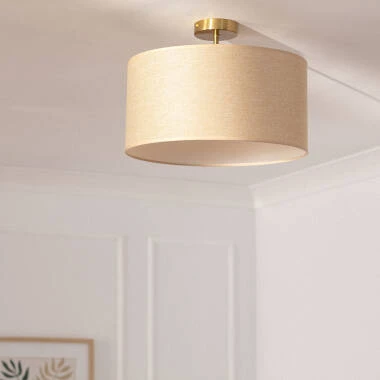
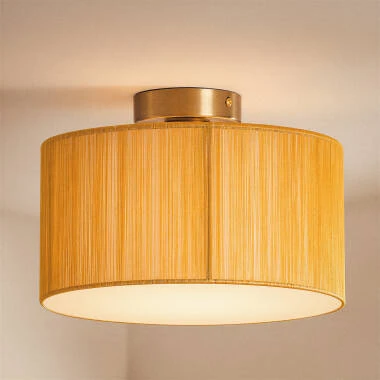
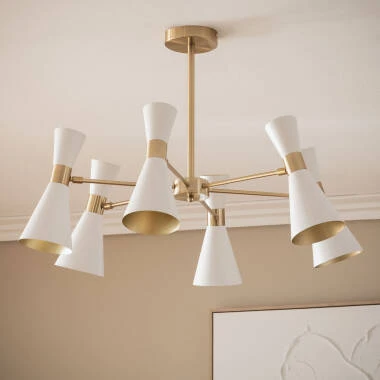
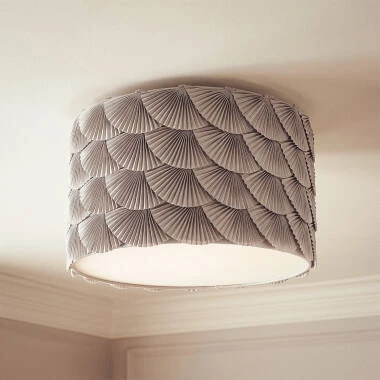
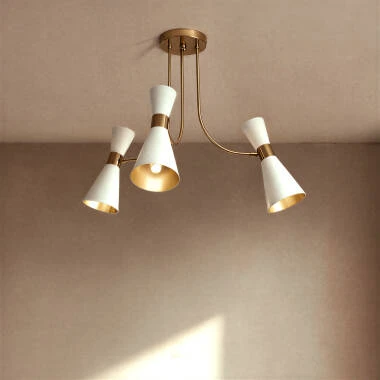
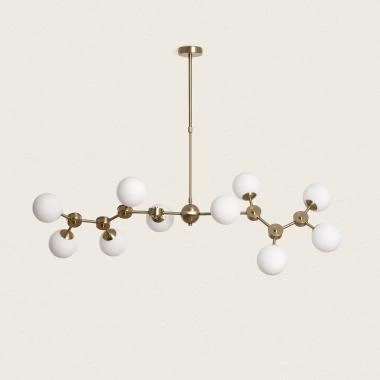
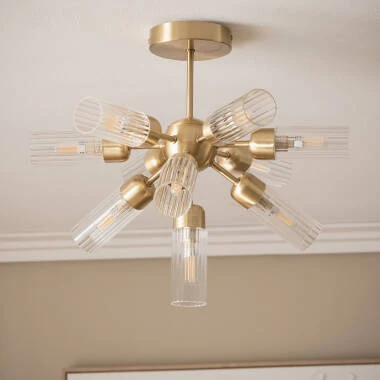
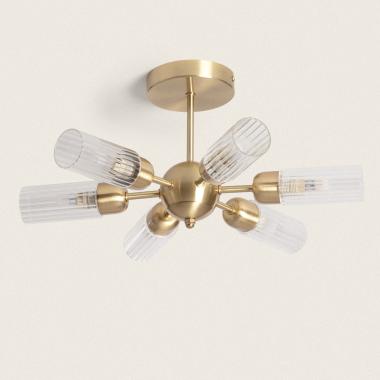
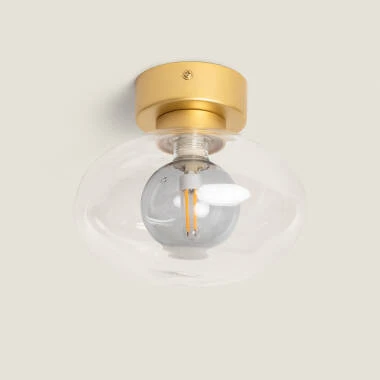
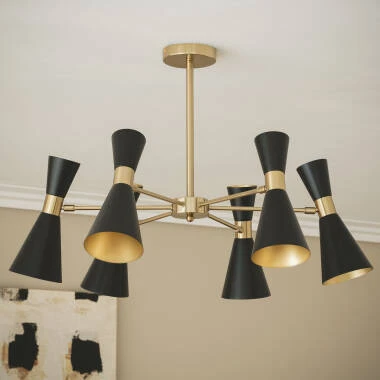
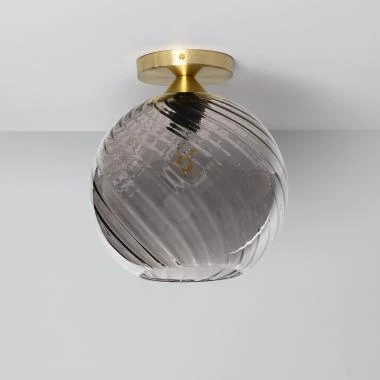
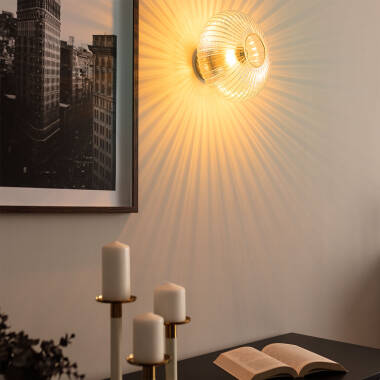
You may also be interested in
About Vintage Ceiling Lamps
Vintage lamps combine the appearance of traditional light fittings with today's lighting requirements. Among ceiling lamps, they stand out for their glass shades, metal structures, aged finishes and decorative bulbs. Their variety of designs makes them suitable for both classic interiors and contemporary spaces, where they can create visual contrasts and become a focal point of the décor.
Features of Vintage-Style Ceiling Lamps
Vintage style brings back decorative elements characteristic of different decades of the 20th century, reinterpreting shapes, materials and finishes while retaining a recognisable aesthetic.
Unlike modern fittings with very clean lines, vintage lamps tend to place greater emphasis on details, shades and structures. However, not all feature elaborate decoration: there are also simple models inspired by traditional functional lamps.
Materials and Aged Finishes
Metal and glass are two of the most characteristic materials used in vintage lamps. Brass, bronze, aged copper and black finishes create a traditional appearance and allow the fitting to complement wooden furniture, textiles and other decorative elements.
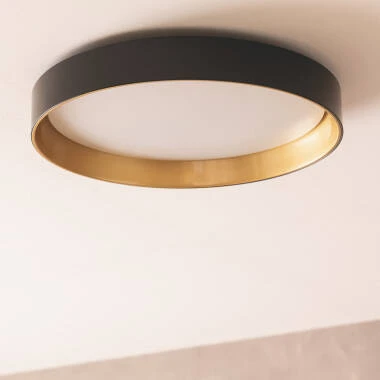
Gold ceiling lamps work particularly well with this aesthetic when they feature satin, aged or antique-style finishes. These tones add warmth and can be used in both classic interiors and contemporary living rooms.
Visible details are also common, such as suspension chains, curved arms, metal bulb holders and decorative joints that reinforce the character of the fitting.
Glass Shades and Decorative Bulbs
Glass shades are common in vintage lamps, particularly in designs inspired by past decades. They may feature clear, opal, ribbed or smoked finishes.
Glass ceiling lamps create different lighting effects depending on the finish of their shades. Clear glass leaves the light source visible, while opal glass diffuses the light and reduces glare.
When the bulb is exposed, decorative LED filament bulbs are often used. These light sources have an appearance similar to traditional incandescent bulbs but consume considerably less energy.
Differences Between Vintage and Industrial Lamps
Although both styles share materials and finishes, they differ in their inspiration and decorative approach.
Industrial ceiling lamps mainly revive shapes associated with old factories, workshops and workspaces. They therefore tend to feature robust metal structures, functional shades and exposed mechanical elements.
Vintage lamps encompass a wider variety of styles, including designs with glass shades, ornamental arms, gold finishes and shapes characteristic of different periods.
Both styles can be combined in interiors featuring wood, exposed brick or reclaimed furniture. The main difference is their visual effect: industrial style tends to convey a more functional, robust appearance, while vintage can be more ornamental and elegant.
Applications of Vintage Ceiling Lamps
The variety of formats allows these fittings to be used in different rooms, combining functional lighting with a distinctive decorative aesthetic.
- Living rooms: vintage lamps with multiple arms or glass shades can become the centrepiece of the lighting scheme. General lighting levels of 150 to 300 lux can be considered, with supplementary lamps added where necessary.
- Dining rooms: pendant models concentrate light over the table. Metal shades provide more directional lighting, while translucent glass shades encourage a wider distribution. Warm white light between 2700 K and 3000 K is suitable for meals and gatherings.
- Bedrooms: compact lamps with aged finishes or opal glass provide soft, decorative lighting. Dimmable models allow the brightness to be adjusted for different times of day.
- Kitchens: vintage pendant lamps work particularly well above breakfast bars and islands. Food preparation surfaces may require between 300 and 500 lux, with dedicated lighting added when shades create shadows.
- Restaurants and cafés: vintage fittings help define table areas, counters and customer service spaces. Decorative bulbs and metal finishes create warm atmospheres, although sufficient lighting levels should be maintained for the intended use of the space.
Frequently Asked Questions About Vintage Ceiling Lamps
The main questions about these fittings concern their style, compatible bulbs, light output and installation requirements.
What Are the Characteristics of a Vintage Ceiling Lamp?
Vintage lamps revive designs from past eras through materials such as metal and glass, aged finishes, decorative glass shades and traditional structures. They can draw inspiration from different decades and complement classic, industrial or contemporary styles.
Which Bulbs Are Best for Vintage Lamps?
LED filament bulbs are commonly used when the light source is visible. They maintain a traditional decorative appearance while consuming less energy than incandescent bulbs. Check the cap type, usually E27 or E14, and the maximum permitted wattage.
What Colour Temperature Works Best with Vintage Style?
Warm white light between 2200 K and 3000 K enhances aged finishes and traditional materials. For primarily decorative lighting, temperatures close to 2200 K can be used, while 2700 K or 3000 K provide more versatile light.
Do Vintage Lamps Provide Enough Light?
Yes, provided they use light sources with sufficient luminous flux. Opaque shades concentrate the light, while translucent glass shades help distribute it. It is important to calculate the required lumens according to the size and layout of the room.
Can Vintage Lamps Be Used in Modern Interiors?
Yes. A vintage lamp can add contrast to contemporary interiors with light-coloured walls, simple furniture and modern materials. Metal or glass models introduce a decorative feature without completely changing the style of the space.
Can the Brightness of a Vintage Lamp Be Adjusted?
Yes, when the LED bulbs used are dimmable and the control system is compatible. Dimming allows the lighting to be adapted to different activities and creates softer atmospheres in living rooms, bedrooms and dining rooms.