
Industrial Ceiling Lamps

Pendant
Show All

Table
Show All

Floor
Show All

Wall
Show All

Ceiling
Show All


Our featured products from Industrial Ceiling Lamps
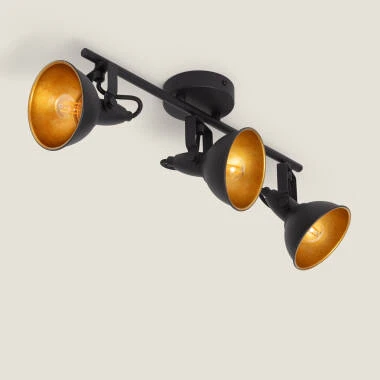
£54.99
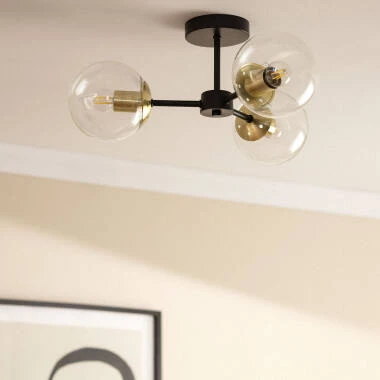
£45.99
 (4)
WassilyRef 95383
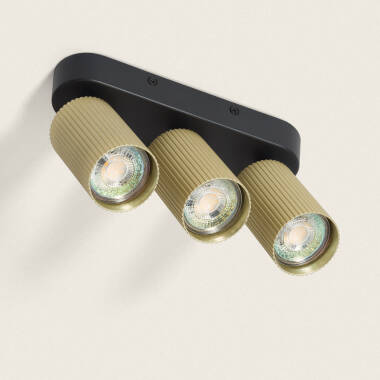
Wassily Gold 3 Spotlight Metal & Glass Ceiling Lamp
Black
In Stock, delivery in 24/48h
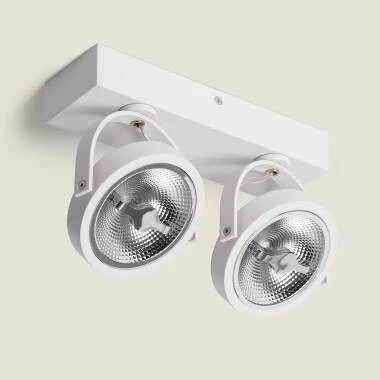
£88.99
(3)Ref 4752
AdjustableCREE 30W Surface Mounted AR111 Tilting LED Spotlight White
Warm White 3000K
In Stock, delivery in 15-20 days




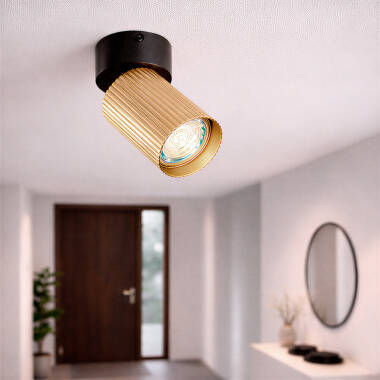






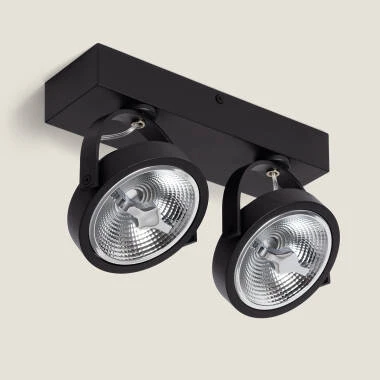
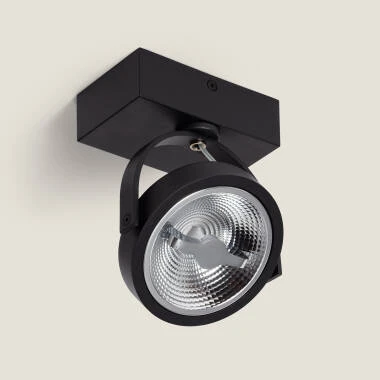
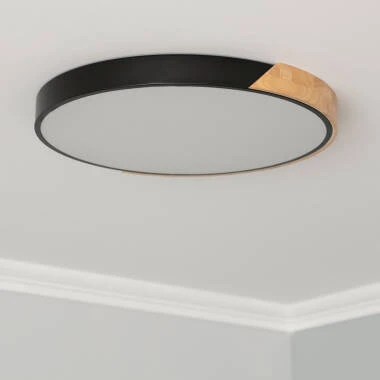
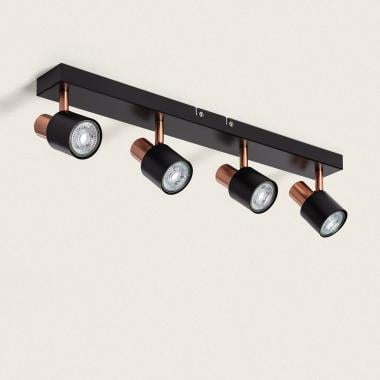

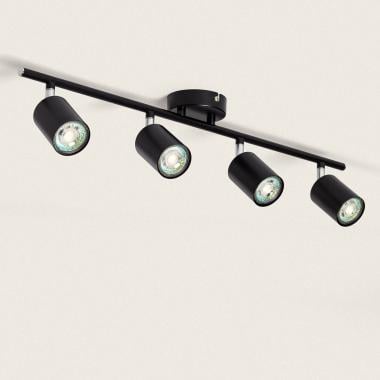
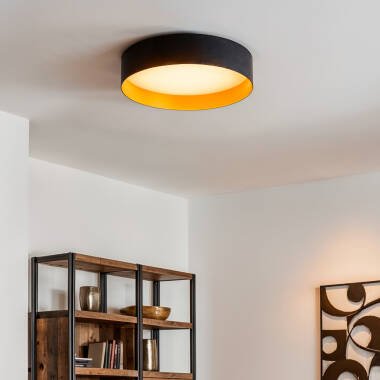
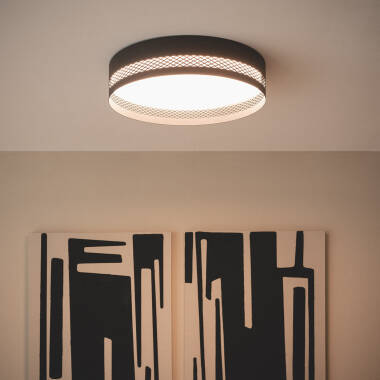
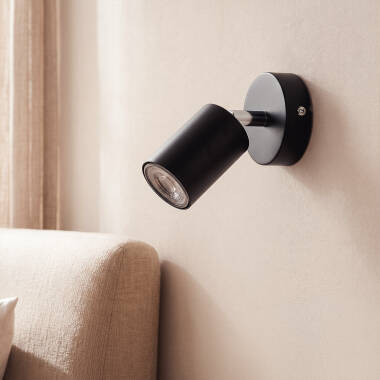
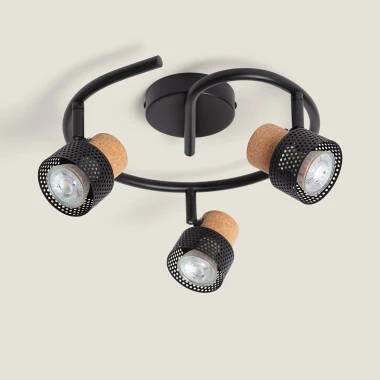
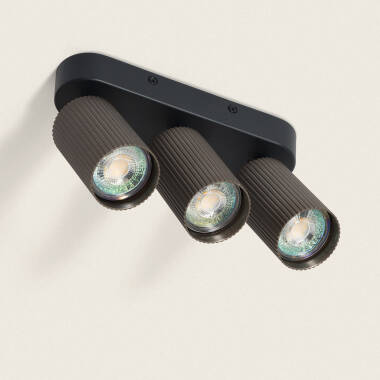
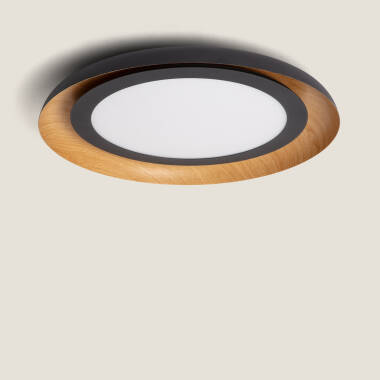
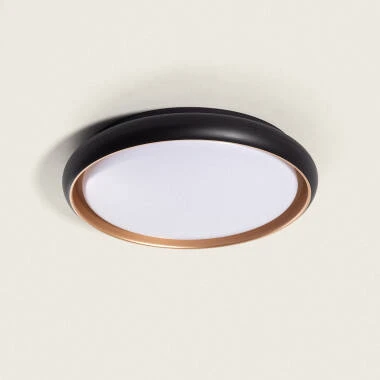

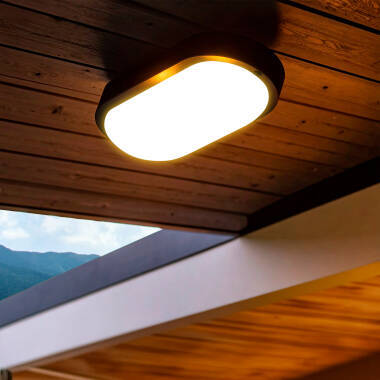
About Industrial Ceiling Lamps
Industrial lamps stand out for their functional aesthetic, where materials, structures and light sources take centre stage. Among ceiling lamps, these designs are characterised by metal finishes, large shades, exposed bulbs and mechanical details. Although their origins lie in factory and workshop lighting, they are now used in homes and businesses as decorative features that combine a robust appearance with efficient illumination.
Features of Industrial-Style Ceiling Lamps
Industrial style revives elements from old production facilities, where light fittings were designed to provide sufficient light, simplify maintenance and withstand demanding working conditions.
In their decorative interpretation, these features are mainly reflected in the design through exposed structures, metal materials and understated finishes. However, industrial-style lamps are not necessarily suitable for use in actual industrial environments, where specific protection against dust, moisture or impacts may be required.
Metal Materials and Exposed Structures
Metal is one of the most representative materials used in industrial lamps. Steel, iron and aluminium make it possible to create shades, arms and structures that convey a sense of solidity.
Painted surfaces, aged finishes and details reminiscent of old workshop fittings are common. They may also include chains, visible screws, protective grilles or articulated supports.
Opaque metal shades generally direct light downwards, making them particularly effective above tables, counters and specific surfaces. When general lighting is required, it is worth considering models with several light sources or supplementing them with other fittings.
Dark Colours and Aged Finishes
Matt black, graphite grey, steel and rust tones are common in this style. Black ceiling lamps are particularly versatile because they pair well with wood, brick, concrete and light-coloured walls.
Aged copper or bronze finishes create a warmer appearance and allow these lamps to be incorporated into interiors that do not strictly follow an industrial style.
Combining dark finishes with warm white bulbs creates a distinctive contrast, particularly in lamps with open shades or exposed light sources.
How to Choose an Industrial Ceiling Lamp
Beyond design, it is important to consider the room's dimensions, light distribution and the characteristics of the light sources.
Opaque metal shades and exposed bulbs create different visual effects, so the choice should take into account both functional lighting and the atmosphere you want to create.
Size and Installation Height
An industrial lamp with a large diameter can become a focal point above a spacious table but look disproportionate in smaller rooms.
In rooms with ceiling heights of 2.40 to 2.60 metres, pendant lamps are best reserved for areas above tables or furniture. In passageways, it is preferable to maintain approximately 2.10 metres of headroom.
In rectangular dining rooms, several aligned shades can be used, while a single large lamp usually works better above square or round tables.
Lumens and Light Distribution
The amount of lighting required should be calculated according to the size of the space and the activity.
In living rooms and dining rooms, general lighting levels of 150 to 300 lux may be appropriate. For example, a 20 m² room with a target of 200 lux needs approximately 4,000 useful lumens, distributed across one or more fittings.
Metal shades concentrate much of the luminous flux towards their opening. This is useful for illuminating tables but can leave upper and side areas less brightly lit.
In larger spaces, it is advisable to combine direct lighting with supplementary light sources to avoid excessive contrast.
Industrial Lamps and How to Combine Them with Other Styles
Industrial aesthetics can be incorporated into different types of décor without fully recreating the appearance of an old factory.
The choice of materials, colours and shapes makes it possible to create more contemporary, warmer or more traditional interiors.
Modern Industrial Style
In contemporary interiors, industrial lamps often feature simple structures, black finishes and geometric shapes.
Paired with light-coloured walls, straight-lined furniture and wooden surfaces, they add contrast without visually overwhelming the space.
Models with compact shades or understated arms are particularly suitable for modern homes where a subtle industrial influence is desired.
Vintage Industrial Style
Vintage ceiling lamps share aged finishes, decorative bulbs and elements inspired by older designs with industrial models.
The main difference lies in their aesthetic approach: while industrial style prioritises functional structures and robust materials, vintage designs may incorporate more ornamental shapes, glass shades or details characteristic of different periods.
Both styles can be combined in interiors featuring reclaimed furniture, aged wood, exposed brick or metal elements.
Applications of Industrial Ceiling Lamps
Industrial lamps can be used in homes and commercial spaces where functional lighting is combined with a distinctive aesthetic.
- Living and dining rooms: pendant models and multi-arm structures make a decorative statement and illuminate tables or gathering areas. Warm white light from 2700 K to 3000 K is suitable for creating a comfortable atmosphere.
- Kitchens and islands: suspended metal lamps direct light towards breakfast bars and worktops. For food preparation surfaces, lighting levels of 300 to 500 lux can be considered, supplemented with dedicated lighting where necessary.
- Bedrooms and home offices: compact or surface-mounted models introduce industrial details without taking up too much space. In study areas, it is advisable to provide approximately 500 lux on the desk through a combination of general and task lighting.
- Restaurants, cafés and shops: industrial lamps help visually define counters, tables and customer service areas. Metal shades can concentrate light on specific surfaces, while decorative bulbs provide ambient lighting.
Frequently Asked Questions About Industrial Ceiling Lamps
Before choosing an industrial lamp, it is worth considering its installation, maintenance and lighting capacity.
Are Industrial Ceiling Lamps Suitable for Homes?
Yes. Although their design is inspired by factory and workshop fittings, many models are specifically designed for domestic use. They can be installed in living rooms, kitchens, dining rooms and bedrooms, provided their dimensions and electrical specifications are suitable.
What Bulbs Are Used in Industrial Lamps?
Many use E27 bulbs, although models with other cap types or integrated LEDs are also available. LED filament bulbs are common because of their decorative appearance. Before installing them, check the maximum permitted wattage and the connection type.
What Colour Temperature Works Best with Industrial Style?
Warm white light between 2200 K and 3000 K pairs particularly well with dark metals, wood and aged finishes. In kitchens and home offices, 4000 K can be used when more functional lighting is needed.
Do Metal Shades Provide Enough Light?
Opaque shades mainly direct light through their opening and can provide good illumination over tables or specific surfaces. To illuminate an entire room, you need to consider the luminous flux, the shade opening and the distribution of other light sources.
How Do You Clean and Maintain an Industrial Ceiling Lamp?
Routine maintenance involves removing dust from shades, chains and metal structures using a soft, dry cloth, always with the power disconnected. On aged or painted finishes, avoid abrasive products that could damage the surface.
Can Industrial Lamps Be Dimmed?
Yes, provided the bulbs or LED modules are dimmable and compatible with the control system. Dimming allows the brightness to be reduced to create warmer, more inviting atmospheres, especially in dining rooms, living rooms and hospitality establishments.